Related Posts Plugin for WordPress, Blogger...

Tuesday, 16 November 2010

798 Art District Postcards

Just more random scribbles on the backs of postcards!


Maggi Hambling

I have been feeling a bit ill, and there is nothing like a bit of creative nostalgia as comfort. Anyway I have a habit of buying hundreds of postcards and never sending them anywhere or to anyone, but I do usually write things on the back of them. I suppose you could call them notes to myself, postcards from daydreams far away! Here are some from a Maggi Hambling exhibition I saw at the Fitzwilliam at the beginning of the summer. On the second post card I have copied out a poem by Hambling from the exhbition.


I didn't get to the beach properly this year, oh how I still long for the sea!

Monday, 15 November 2010

Every day is a good day


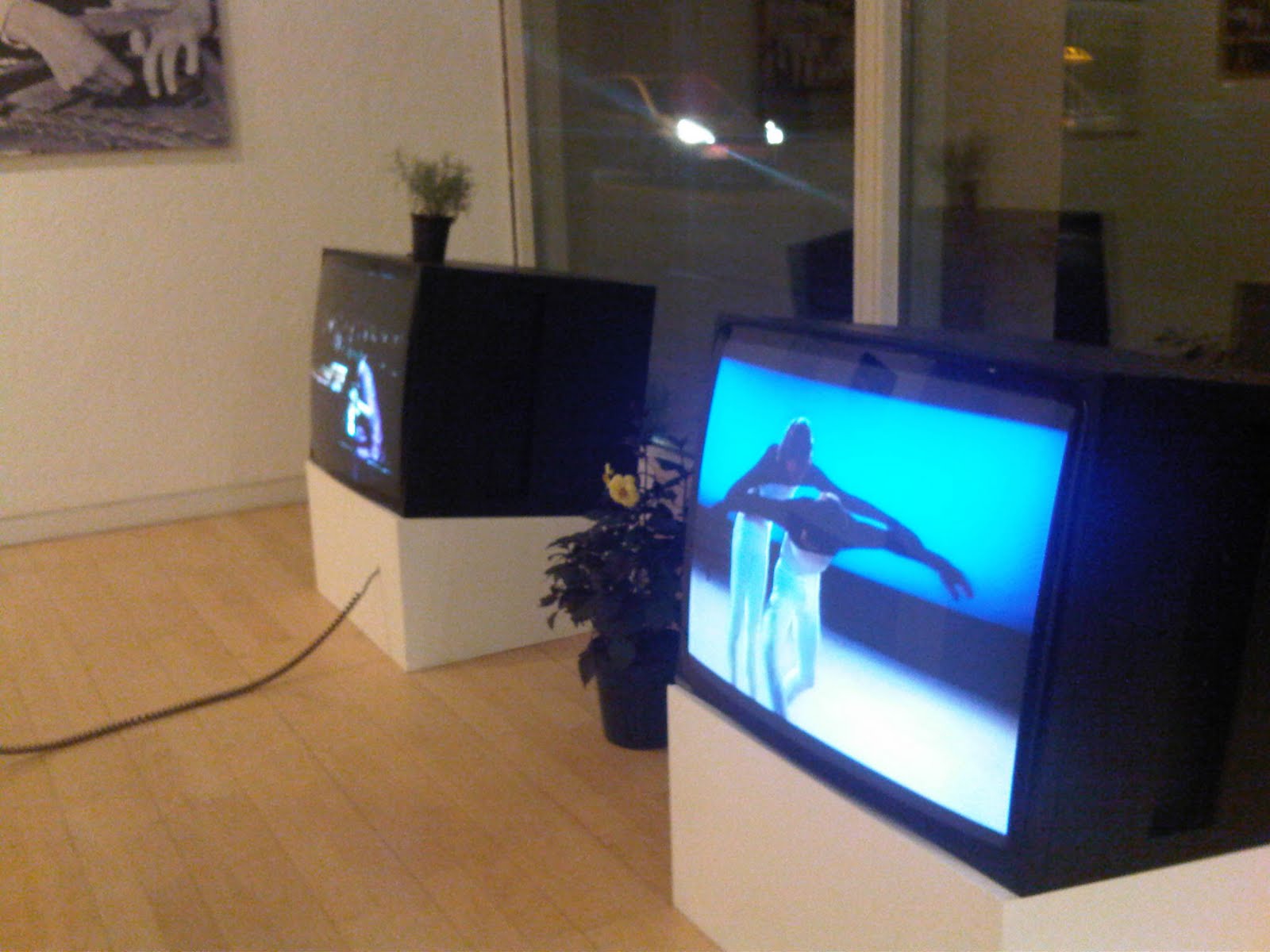
On Saturday my mother came to visit. We had lunch, shopped and then sipped pur takeaway coffees as we made our way across Jesus Green in the pink sunset for the last fading minutes of the John Cage exhibition at Kettles Yard. I have been meaning to get this exhibition all term and finally arrived, with my mother in tow. I made it a day before it finished, to realise that it was brilliant and that the 20 minutes we got before closing were never going to be enough to listen to all the recordings, watch all the footage of Operas in performance and enjoy the highlight of the exhibition and place a plant.


I enjoyed the plants a lot. As you enter the exhibition the curious network of potted plants pave the exhibition floor and they are what strike you and endow the space with a homely feel. You can pick up a plant and place it anywhere you like in the exhibition. Audience participation and exhibition interaction always excite me, I am easily pleased. However as some visitors have pointed out, you can't put your plant anywhere, you are in fact restricted to the floor. The neat position of some of the pots on the fringes of the rooms might also suggest the restrictions on plant-placing freedom. John Cage's prints are beautiful; ethereal, full of movement and subtle qualities, but they almost become peripheral to the plants. Some are accompanied by explanatory notes, 'This plant is definitely not happy here, it would like to be on the ceiling.'. The suggestion is that the plants direct and not visitors, that we might think we are contributing, but ultimately the artist is directing us.
My mother was unimpressed by the plants, she says she is too old for that kind of thing, she has seen it too often!

A plant cheekily nestled in a pair of head phones!

Saturday, 13 November 2010

Vogue China- 5th Anniversary

I'm going to write another retrospective post about China, internet censorship meant that a lot of this wasn't possible while I was there, so there are things to catch up on.


During our last few days in Beijing we tried desperately to get in to the newly opened exhibition for Vogue China's 5th anniversary. One night we were turned away, 'This is just for press!' they chided us and on another occasion they allowed us only a glimpse of the first floor, but eventually we made it in! All of this added to the mystique of the exhibition and the sensation that we were witnessing something vital in Chinese culture. Perhaps you don't think fashion is particularly important, but in Beijing's Chaoyang it is certainly beginning to dominant and direct the cultural atmosphere.


Vogue China is incredibly modern, the exhibition was the ultimate symbol of modernity and the rising power of the East. The exhibition, encased in a kind of space-age pod with white elevators and mirrored walkways, transported you in to a new elegance which celebrated Asian models and the Asian aesthetic. For a country which worships the strange power of western beauty and sells skin bleaching moisturiser at an alarming rate, the exhibition had a powerful resonance.


The exhibition was fabulously curated, so that every display curled in to elegance.

The Western dream may be pasted across the glass shop windows of Sanlitun and occupying empty shops which announce the imminent arrival of Chanel and Dolce &Gabbana, but at the heart of the shopping complex there is a sense of rebellion, of independence. The Chinese fashion industry has a power and momentum of its own.


Computer screens displayed some of the hundreds of photographs from the history of Vogue China's photoshoots.

China's fashion world is ultimately exclusive. As a Westerner I had access to a growing culture which would be completely alien to a large proportion of the Chinese population. 20 kwai or 2 pounds seems like a small price to pay for a fashion magazine in England, but in China it could buy four meals or a new item of clothing for your wardrobe. If you think British Vogue promotes impossible lifestyles then Chinese Vogue is the ultimate hyperbole!


The heavy tomes which tipped my luggage over the limit; Vogue China's 5th anniversary september edition and the special collection of photographs from the exhbition. For four pounds I couldn't resist sacrificing a few ragged clothes and well-leafed books to own two pieces of luxurious China.

Wednesday, 10 November 2010

798 Art District, Beijing


This summer I spent just under 2 months living in Beijing. It is an amazing city, and it really felt like I was living in the midst of significance, rapid change and excitement. There are lots of things I miss about being in that vast city, but the thing I miss most is being able to take several buses and metro lines to the Art district in Chaoyang


The root of the rebellion lies in the manipulation and deconstruction of communist propaganda, although it is so common now in 798 that you can become a little saturated by the political satire.

Modern art in China, as 798's central Originalty Square might suggest, is a reasonably underdeveloped concept due to Chairman Mao and his stifling communist regime. But from underground Beijing's creatives rebelled, taking over an abandoned factory complex and transforming it in to a theme park of modern art. The art district is now a complex of commercial and fine art galleries, installation and outdoor sculpture, souvenir shops and western-style cafes.
It is a genuinely awe-inspiring place where a community of artists are working hard to promote and inspire modern art in China, giving everybody a platform to experience and create.


Civilised Chaoyang is the ideal location, it is Beijing's rich and up and coming district. Essentially it is the place to be.

There is also an absolute gem of an institution to be found at the heart of the district; UCCA, Ullens Contemporary Chinese Art hosts magnificent, if small, shows. While you can spend hours trawling through galleries and not finding anything of particular value, UCCA, once it has been located on the map, will never fail to disappoint.


An example of the graffiti which makes the complex a living and breathing canvas for art and statement.


In the short time I was living in Beijing I spent four days in the art district, and I wish I could have had more. It just had the right atmosphere, perhaps you would spend most of your time drink iced coffees in cafes, but it was enough that you had been there, in the midst of it all.


.
The old factories of an abandoned uniformed industrialism are the perfect setting for regenerative modern art.

There is information about 798 on wikipedia, it might help to search for 'Jiuxinqiao factory complex'. And if you want directions...take the 909 bus from liangmaqiao station and get off at Dashanzi lukounan, you can't miss the big red numbers!

Tuesday, 9 November 2010

The View from Invigilating


Leaves on the water, my view


Glimpse of the library


The empty corridor


My little table; essay in progress, complimentary coffee

We had 11 visitors in total, things are indeed picking up. I will continue to bully friends in to coming down, it seems reasonably effective!

Tales from invigilation

Today we have had 5 visitors already and I have only been here an hour, although they aren't all here specifically for the exhibition. If people using the corridor walk by, take note of the art, pause to make a comment to a friend or supervisor, then I count them as visitors too.
Watching people's reaction to the exhibition is funny and I enjoy being privy to the giggles of a couple as they make their way down the corridor, the shocked gasps of students as they notice Tracey Emin's monoprints of a woman masturbating and the cheeky passing comment of an academic, 'At least it's better than last time!'. At first I would have agreed that part 2 was less controversial than the politically violent Part 1, but the curator of the exhibition, Phillipa Found reminded me that there had been certain restrictions on which works they could use to advertise the show and plenty of protests as it was being put up. Sex and Violence. I suppose the truth is they are both equally taboo...